
Netflix searches for “K-drama filming locations” surged by over 300% between 2021 and 2023, according to Google Trends data. Tourists are no longer satisfied with watching the scenes — they want to stand exactly where their favorite characters stood. Seoul delivers. But the real spots are rarely the ones listed in tourist brochures.
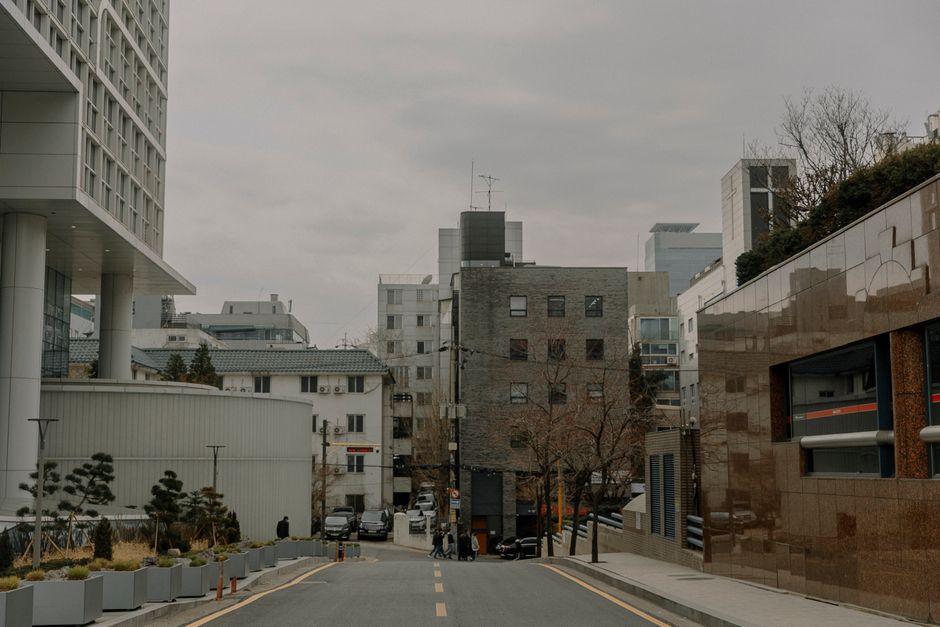
Why Seoul’s Drama Locations Hit Different in Person
The gap between what you see on screen and what exists on the street is smaller in Seoul than almost anywhere else on earth. Alleys that look like film sets are just alleys. Hanok villages that appear centuries old are genuinely centuries old. The city doesn’t manufacture atmosphere — it already has it, in layers.
What most visitors miss: K-drama productions deliberately avoid the obvious landmarks. Gyeongbokgung (경복궁) appears occasionally, but the directors’ real obsession is with the overlooked — the narrow staircase street, the rooftop pojangmacha (포장마차), the canal-side bench nobody photographs. That instinct is worth following.
Bukchon Hanok Village: More Than the Famous Corner
Every travel account shows the same shot — the sloping alley with tiled rooftops stacked toward Namsan (남산). That image is real. It’s also surrounded by 30 other tourists at 10 a.m. on a Saturday. Arrive before 8 a.m. and the same alley belongs to you and the sound of roof tiles cooling in the morning air.
Bukchon Hanok Village (북촌한옥마을) has appeared in over 40 dramas since 2010, including My Love from the Star and Jewel in the Palace. Production crews favor the upper residential lanes — Gahoe-dong (가회동) sections 11 and 31 — precisely because they feel inhabited rather than staged. Residents still live here. Noise ordinances are enforced. The village asks visitors to stay silent before 10 a.m., posted in four languages at the entrance. Follow it. The locals have earned that quiet.
📍 Bukchon Hanok Village (북촌한옥마을)
- Address: Gahoe-dong, Jongno-gu, Seoul
- Hours: Open 24 hours (quiet hours before 10:00 a.m.)
- Admission: Free
- Getting there: Anguk Station (Line 3), Exit 2 — 10-minute walk
- Official site: https://bukchon.seoul.go.kr
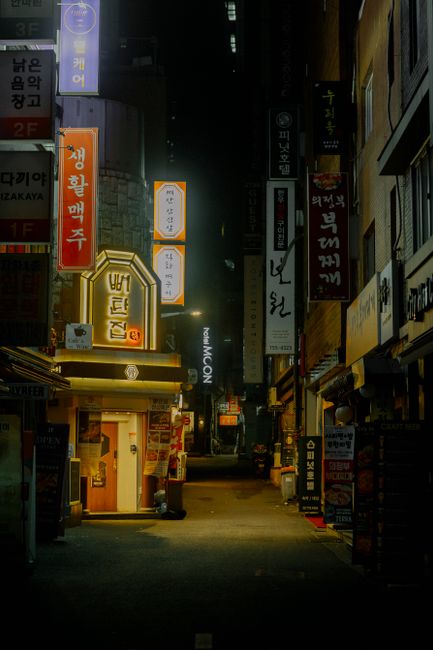
Ihwa Mural Village: The Staircase That Launched a Thousand Scenes
Ihwa Mural Village (이화벽화마을) sits on the eastern slope of Naksan (낙산), and it operates on a different emotional register than Bukchon. Where Bukchon is composed and aristocratic, Ihwa is raw and slightly melancholic — exactly the visual language that Korean melodrama directors reach for when they need a scene to ache.
The 142 stone steps climbing through the village have appeared in dramas including Reply 1988 and Pinocchio. The famous fish mural at the base of the stairs was partially repainted in 2017 after the original was vandalized, but the lane above it remains unchanged — uneven pavement, rusted railings, potted plants on windowsills that haven’t moved in a decade. At the top, the view opens across Seoul’s eastern districts. No admission fee. No ticket booth. No gift shop.
One practical note for foreign visitors: this neighborhood has almost zero English signage. The address system follows the old lot-number format rather than the newer street-name system, which means even Korean GPS occasionally stutters. Screenshot the map before you leave the main road. Dead zones are real on the upper steps. When planning your trip, consider booking day trips in advance to ensure reliable transportation and guidance.
📍 Ihwa Mural Village (이화벽화마을)
- Address: Naksan-gil, Ihwa-dong, Jongno-gu, Seoul
- Hours: Open 24 hours
- Admission: Free
- Getting there: Hyehwa Station (Line 4), Exit 2 — 15-minute walk uphill
- Official site: https://www.jongno.go.kr
Namsangol Hanok Village: The Drama Set That Actually Functions
Unlike Bukchon, Namsangol Hanok Village (남산골한옥마을) is a reconstructed site — five traditional houses relocated from different parts of Seoul and reassembled here in the 1990s. That sounds like a disadvantage. On screen, it reads as pure Joseon-era authenticity, which is why production crews from Mr. Sunshine and Moon Lovers: Scarlet Heart Ryeo used it extensively. The controlled environment means consistent lighting, no modern intrusions, and a central pavilion that photographs like a painting regardless of the season.
The grounds cover approximately 79,000 square meters — roughly the size of 11 American football fields — and include a traditional garden, a performance stage, and an underground time capsule plaza sealed in 1994, set to be opened in 2394. That detail alone is worth the visit.
Seasonal note: cherry blossoms peak here in late March to early April, and autumn foliage runs from mid-October through early November. Both windows last roughly 10 to 14 days. Outside those windows, weekday mornings draw almost no crowds.
📍 Namsangol Hanok Village (남산골한옥마을)
- Address: 28 Toegye-ro 34-gil, Jung-gu, Seoul
- Hours: Tuesday–Sunday