
Seoul doesn’t ease you in. The city drops you into a shopping district and expects you to figure it out.
From a single block in Gangnam (강남) where a jacket costs more than a flight from New York, to a side alley in Hongdae (홍대) where a hand-stitched denim piece sells for 30,000 won — Seoul’s retail geography is a map of contradictions. Each district operates by its own logic, its own crowd, its own unspoken dress code.
This is not a list of stores. This is a field guide to the terrain.

Gangnam: Where the Price Tag Is the Point
Gangnam District (강남구) generates more luxury retail revenue per square kilometer than almost any comparable zone in Asia. The Apgujeong Rodeo Street (압구정 로데오) corridor alone hosts flagship boutiques for Chanel, Dior, Bottega Veneta, and a rotating cast of Korean designer labels that command four-figure price points without apology.
The clientele is not exclusively Korean. Japanese and Chinese buyers make targeted trips specifically to Gangnam’s luxury blocks — partly for selection, partly because Korean department store duty-free counters still offer price structures that undercut Tokyo and Shanghai on certain European brands. The math works. So they come.
Hyundai Department Store (현대백화점) in Apgujeong is the anchor. Eleven floors. The basement food hall alone draws a separate crowd that has no interest in fashion. On a Saturday afternoon, the cosmetics floor moves at a pace that makes Manhattan’s Sephora look sleepy.
📍 Hyundai Department Store Apgujeong
- Address: 165 Apgujeong-ro, Gangnam-gu, Seoul
- Hours: Daily 10:30 AM – 8:00 PM (Fridays until 8:30 PM)
- Admission: Free
- Getting there: Apgujeong Station (Line 3), Exit 2 — 5-minute walk
- Official site: https://www.ehyundai.com
One block south of the department store, Garosu-gil (가로수길) shifts the register slightly. The tree-lined street mixes mid-range Korean designer boutiques with concept cafés and independent galleries. Prices drop by roughly 40 to 60 percent compared to the Rodeo corridor — but the aesthetic ambition doesn’t. This is where Korean designers who trained in Paris or London come to open their first standalone store.
The real Gangnam move, though, is Cheongdam-dong (청담동). If Rodeo is the stage, Cheongdam is the backstage. Quieter streets. Fewer tourists. The kind of boutique that doesn’t display prices in the window — because if you need to ask, you already know the answer.
📍 Cheongdam-dong Fashion Street
- Address: Cheongdam-dong, Gangnam-gu, Seoul
- Hours: Varies by boutique; most open 11:00 AM – 8:00 PM
- Admission: Free
- Getting there: Cheongdam Station (Line 7), Exit 1 — 8-minute walk
- Official site: N/A
Myeongdong: High Volume, No Apologies
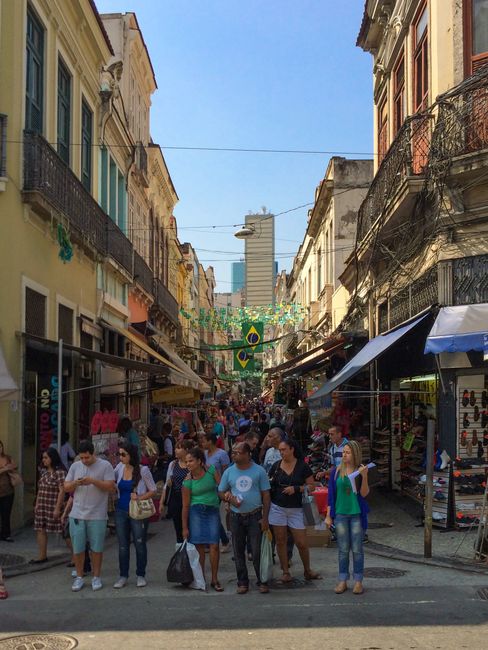
Myeongdong (명동) is the most visited shopping district in Seoul — and the most misread by first-timers who expect it to be cheap.
It isn’t. Not anymore.
Post-2020, as international tourism rebounded, Myeongdong’s street-level rents climbed back toward their pre-pandemic highs, squeezing out the chaotic street food vendors and smaller cosmetics stalls that once defined the strip. What replaced them: international fast fashion chains, mid-range Korean beauty flagships (Innisfree, Etude, Olive Young), and a new wave of K-beauty concept stores engineered for the Instagram circuit.
The Olive Young (올리브영) on the main Myeongdong street is, without exaggeration, one of the highest-grossing single retail locations in South Korea. Foreign visitors account for a disproportionate share of that revenue. The store stocks over 1,500 SKUs across skincare, haircare, and wellness — and the staff on the ground floor speak enough English, Japanese, and Mandarin to close a transaction without a translation app.
📍 Olive Young Myeongdong Town
- Address: 52 Myeongdong-gil, Jung-gu, Seoul
- Hours: Daily 9:30 AM – 11:00 PM
- Admission: Free
- Getting there: Myeongdong Station (Line 4), Exit 6 — 2-minute walk
- Official site: https://www.oliveyoung.co.kr
The language barrier in Myeongdong is genuinely minimal compared to other districts. Signage is multilingual. Most vendors carry QR menus and product cards in English. But the crowds are real — weekend afternoons between 2:00 PM and 6:00 PM push pedestrian density to levels where movement feels like negotiation. Arrive before noon or after 8:00 PM. The district doesn’t close early.
A practical scenario: you buy a BB cream at a street stall, get back to your hotel, and realize it’s two shades too light. The vendor is gone. The fix is Olive Young — they carry standardized shade ranges, accept returns within 30 days with receipt, and staff can run a shade match on the spot. Keep your receipts in Myeongdong. Always.
Dongdaemun: The Market That Never Sleeps — Literally
Dongdaemun (동대문) is the only major shopping district in Seoul where peak hours begin at midnight.
The wholesale fashion market complex — anchored by Doota Mall (두타몰), Migliore, and the sprawling fabric markets behind them — operates on a schedule built for industry buyers, not tourists. The wholesale floors open around 8:00 PM and run until 6:00 AM. Retail floors keep more conventional hours, but the energy doesn’t peak until after 10:00 PM, when professional buyers from across Asia arrive with rolling luggage and spreadsheets.
📍 Doota Mall (두타몰)
- Address: 275 Jangchungdan-ro, Jung-gu, Seoul
- Hours: Daily 10:30 AM – 5:00 AM (hours vary by floor)
- Admission: Free
- Getting there: Dongdaemun History & Culture Park Station (Lines 2, 4, 5), Exit 1 — 3-minute walk
- Official site: https://www.doota-mall.com
For foreign visitors, Dongdaemun’s retail floors offer something Gangnam doesn’t: price negotiation. Not aggressive haggling — but a quiet, understood flexibility on multi-item purchases. Buy three pieces from the same vendor and the fourth comes with a discount that won’t appear on any posted sign. The transaction happens in gestures and calculators, not words. The language barrier is real here. A translation app isn’t optional — it’s infrastructure.
The fabric district behind the main malls is a world unto itself. Bolts of material stacked floor to ceiling. Vendors who can cut, measure, and quote a price for custom tailoring in under four minutes. A full custom shirt — fabric, cutting, and basic tailoring — can be completed within 24 to 48 hours at a cost that wouldn’t cover the thread alone in London.
Hongdae: The District That Built Its Own Aesthetic
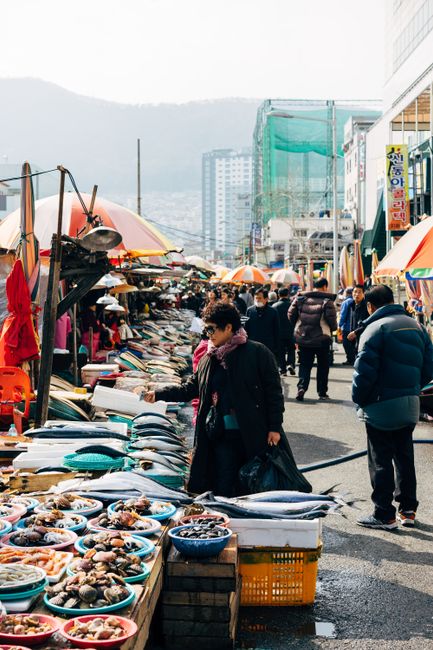
Hongdae (홍대) grew out of Hongik University’s fine arts program — and that origin is still visible in every vintage rack, hand-painted signboard, and limited-run zine stacked beside a register.
The streetwear here is not derivative. Korean streetwear labels that now sell in Dover Street Market London and END. Clothing Edinburgh built their first audiences in Hongdae. Brands like Ader Error and Nohant started as small-batch concepts sold through pop-ups in this neighborhood before the international fashion press ever arrived.
The shopping geography in Hongdae splits into two zones. The main commercial strip — closer to Hongik University Station (홍대입구역) — runs fast fashion, chain cosmetics, and tourist-facing merchandise. Walk two blocks east or west and the character shifts entirely: independent concept stores, vintage dealers, and small-batch Korean designers producing runs of 50 to 100 pieces per colorway.
📍 Hongdae Shopping Street
- Address: Wausan-ro, Mapo-gu, Seoul (main strip)
- Hours: Most stores open noon – 10:00 PM; some independent stores open later
- Admission: Free
- Getting there: Hongik University Station (Line 2 / Airport Railroad / Gyeongui-Jungang Line), Exit 9
- Official site: N/A
Saturday afternoons in Hongdae also bring street performers, pop-up markets, and a crowd that is actively hunting for something it hasn’t seen before. The energy is participatory in a way Gangnam’s polished corridors are not. People try things on in the street. Vendors play music that costs them something to choose.
Prices in the independent stores range from 15,000 won for a hand-dyed accessory to 300,000 won for a structured jacket from a label that will be in Hypebeast within six months. The gap between those two price points is exactly where Hongdae lives.
Insadong and Bukchon: Shopping as Cultural Artifact
Insadong (인사동) operates on an entirely different premise. The district’s core identity is traditional Korean craft — celadon ceramics, hanji paper goods, handmade jewelry, and pojagi textile work that can take weeks to produce a single piece.
The main pedestrian street is a mix of legitimate craft shops and tourist-facing imitation goods. The distinction matters. Authentic pojagi work — hand-stitched from silk or ramie fabric — carries a price that reflects weeks of labor. A machine-printed facsimile sold three doors down costs a fraction of that and looks nearly identical to an untrained eye. Ask about the maker. A legitimate craft vendor will tell you. A souvenir vendor will change the subject.
📍 Insadong Main Street
- Address: Insadong-gil, Jongno-gu, Seoul
- Hours: Most shops open 10:00 AM – 9:00 PM daily
- Admission: Free
- Getting there: Anguk Station (Line 3), Exit 6 — 5-minute walk
- Official site: N/A
Ssamziegil (쌈지길) — a four-story open courtyard mall inside Insadong — curates independent Korean designers and craft artisans in a format that filters out the mass-produced noise. Not every vendor is exceptional. But the curation is honest. The building itself, with its spiraling open-air ramp, is worth the detour regardless of what you buy.
📍 Ssamziegil
- Address: 44 Insadong-gil, Jongno-gu, Seoul
- Hours: Daily 10:00 AM – 8:30 PM
- Admission: Free
- Getting there: Anguk Station (Line 3), Exit 6 — 5-minute walk
- Official site: https://www.ssamziegil.co.kr
The Practical Layer: What Nobody Tells You Before You Go
Tax refund. Every foreign visitor making purchases over 30,000 won at a participating retailer is eligible for a VAT refund of approximately 10 percent. The process requires a passport at point of sale and a claim filed at the airport before departure. Most major stores in Myeongdong, Gangnam, and Dongdaemun participate. Most independent stores in Hongdae do not. Ask before you buy if this matters to your budget.
Payment. Cash is still preferred in Dongdaemun’s wholesale corridors and in smaller Insadong craft shops. Everywhere else, international Visa and Mastercard work without friction. American Express is accepted at department stores and luxury boutiques but frequently rejected at mid-range and independent retail. Carry a backup.
Lost or stolen goods scenario: if a purchase goes wrong — wrong item in the bag, a card charged incorrectly, a product that fails immediately — the Korea Consumer Agency (한국소비자원) operates a multilingual consumer complaint hotline at 1372. The service handles disputes in English and connects to a mediation process that most major retailers take seriously. It isn’t a fast resolution. But it exists, and it works.
The subway connects every district on this list. Gangnam to Hongdae is 25 minutes on Line 2. Myeongdong to Dongdaemun is 12 minutes on Line 4. The T-money card (티머니) covers all lines, buses, and convenience store purchases. Load it at any subway station convenience store. One card. Every district. No exceptions needed. For seamless connectivity across all shopping districts, consider getting a Korean eSIM to stay connected while you explore, or book tours in advance to maximize your time in each neighborhood.
Rover’s Take
Seoul built a shopping culture that doesn’t need your validation — and that’s exactly why it keeps pulling people back.