
Most first-time visitors to Seoul walk into Myeongdong (명동), buy three sheet masks, and call it a shopping trip. That’s not shopping. That’s a tourist tax.
Seoul has more retail square footage per capita than almost any city in Asia. The problem isn’t the options — it’s knowing which neighborhood is built for what, and who it’s actually built for. A wrong turn in this city costs you time, money, and the creeping suspicion that you’ve been played.
This is a district-by-district breakdown. No fluff. No “hidden gems.” Just the mechanics of how each area works — and how to move through it without bleeding cash.
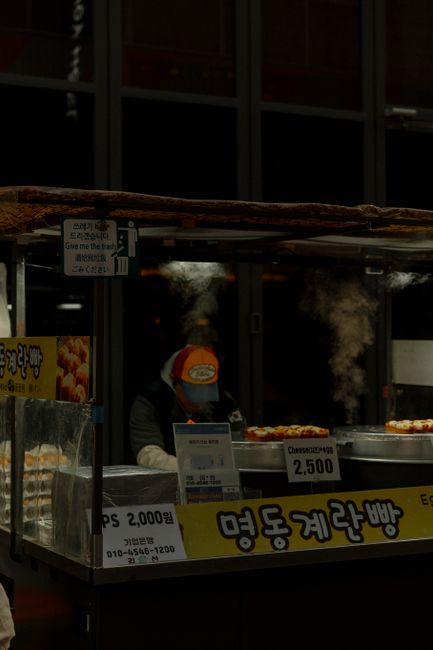
Myeongdong (명동): The Tourist Funnel — And How to Use It Anyway
Myeongdong is the most visited shopping street in South Korea. On peak weekends, foot traffic exceeds 100,000 people per day (Seoul Metropolitan Government, 2023). That density is both the problem and the opportunity.
The street-level cosmetics chains — Olive Young, Innisfree, Etude — run rotation discounts that don’t appear online. Walk in during the first hour after opening (typically 10:00 AM) and you’ll find clearance bins that get restocked overnight. By noon, they’re gone. The vendors know the foot traffic pattern. Now you do too.
Street food runs along the side alleys parallel to the main drag. Prices here are roughly 30–40% lower than on the main pedestrian strip — same vendors, same food, fewer cameras pointed at it.
The real Myeongdong move: buy your skincare here, eat in the alleys, and leave before 2 PM. After that, you’re just standing in someone else’s photo.
One scenario that catches foreign visitors off guard: you’ve bought a product, opened it at the hotel, and it’s the wrong shade. Myeongdong stores generally allow exchanges within the same day with a receipt. Without one, the answer is almost always no — regardless of what hand gestures suggest otherwise. Keep every slip of paper you receive.
📍 Myeongdong Shopping Street
- Address: Myeongdong-gil, Jung-gu, Seoul
- Hours: Most shops open 10:00 AM – 10:00 PM daily; street food vendors from approximately 5:00 PM
- Admission: Free
- Getting there: Myeongdong Station (Line 4), Exit 6 or 8
- Official site: https://www.visitseoul.net
Dongdaemun (동대문): The Market That Never Sleeps — Literally
Dongdaemun Design Plaza sits at the center of a wholesale and retail fashion district that operates on a schedule unlike anywhere else in the city. The wholesale floors open at midnight and close around 6 AM. The retail buildings — Doota Mall, Migliore — run conventional hours. Most first-timers only see the retail layer. That’s the expensive layer.
If fashion is your primary objective, the wholesale buildings (APM, Nuzzon, Pyunghwa) are where the real density is. Individual buyers are welcome, but the culture is volume-oriented. Vendors expect you to move quickly, decide faster, and not negotiate on single items. Prices per piece drop significantly at quantities of three or more — sometimes by 20 to 35% (based on standard vendor practice reported by multiple travel retail researchers, 2022–2023).
The language barrier here is real. Most wholesale vendors have minimal English. A translation app with a camera function — Google Lens works well — handles price tags and product labels. For negotiation, a calculator passed back and forth remains the universal language.
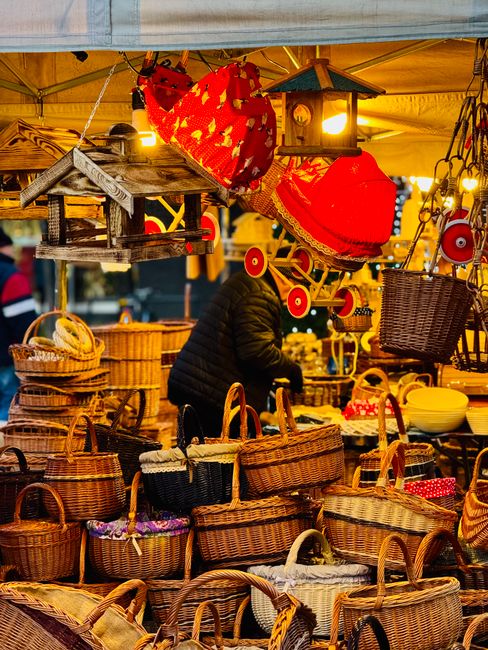
Late-night shopping in Dongdaemun also means late-night transit logistics. The Seoul Metro stops around midnight. After that, taxis and night buses are your only options. Night buses (the “Owl Bus” routes, marked with an N prefix) run on limited routes and can add 40–60 minutes to a return trip to central Seoul. Factor that in before committing to the midnight wholesale run.
📍 Dongdaemun Design Plaza (DDP)
- Address: 281 Eulji-ro, Jung-gu, Seoul
- Hours: Varies by facility; outdoor plaza open 24 hours; design museum 10:00 AM – 8:00 PM (closed Mondays)
- Admission: Outdoor areas free; some exhibitions ticketed
- Getting there: Dongdaemun History & Culture Park Station (Lines 2, 4, 5), Exit 1
- Official site: https://www.ddp.or.kr/eng
📍 APM Mall (Wholesale Fashion)
- Address: 262 Euljiro, Jung-gu, Seoul
- Hours: 8:00 PM – 6:00 AM (wholesale hours; closed Sundays)
- Admission: Free
- Getting there: Dongdaemun History & Culture Park Station (Lines 2, 4, 5), Exit 1
- Official site: https://www.apmmall.com
Hongdae (홍대): Where the Price Tag Is Part of the Performance
Hongdae’s identity is built on youth culture and independent retail. The density of vintage shops, indie clothing brands, and character merchandise stores within a six-block radius is genuinely impressive. So is the markup on anything that looks handmade or “limited.”
The vintage market dynamic here is worth understanding: items priced at 35,000–60,000 KRW in Hongdae boutiques often originate from the same wholesale channels that supply Dongdaemun. The premium is for curation and atmosphere. That’s a legitimate trade-off — if you know you’re paying for it.
What Hongdae does better than anywhere else in Seoul: character goods and K-pop merchandise. The Line Friends flagship, Kakao Friends stores, and dozens of independent idol merchandise shops are concentrated here. If that’s your objective, this is the right district. Prices align with official retail — no wholesale advantage, but no counterfeits either. That distinction matters more than it sounds.
Hongdae is the only Seoul shopping district where the experience itself is part of what you’re buying. Price accordingly.
📍 Hongdae Shopping Street
- Address: Wausan-ro, Mapo-gu, Seoul (main pedestrian area)
- Hours: Shops generally open 12:00 PM – 10:00 PM; some bars and entertainment venues until 2:00–4:00 AM
- Admission: Free
- Getting there: Hongik University Station (Line 2 / Airport Railroad / Gyeongui-Jungang Line), Exit 9
- Official site: https://www.visitseoul.net
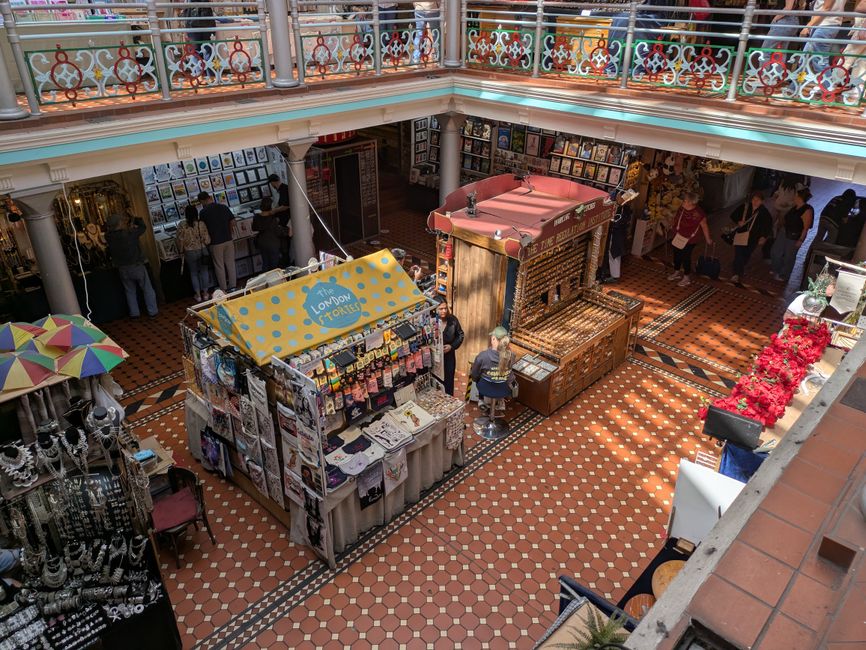
Insadong (인사동) and Bukchon (북촌): When “Traditional” Becomes a Price Category
Insadong is Seoul’s designated arts and crafts corridor. The street is pedestrianized on weekends and draws a concentrated mix of tourists and domestic visitors in search of hanji (traditional Korean paper), celadon ceramics, calligraphy tools, and folk art. The quality range is enormous — from mass-produced souvenir-grade items to work by genuine craftspeople with studio addresses.
The differentiator is almost always the vendor’s willingness to explain provenance. A legitimate craft seller will tell you where the piece was made, by whom, and with what materials. A souvenir vendor will tell you it’s “traditional.” Those are not the same sentence.
Bukchon Hanok Village (북촌 한옥마을), adjacent to Insadong, has a smaller retail footprint but higher average quality in its boutique shops. Prices reflect the real estate — this is one of Seoul’s most expensive residential neighborhoods. A ceramic piece that costs 15,000 KRW in Insadong may run 40,000 KRW in a Bukchon gallery. Sometimes the difference is quality. Sometimes it’s just the address.
📍 Insadong-gil
- Address: Insadong-gil, Jongno-gu, Seoul
- Hours: Shops open approximately 10:00 AM – 9:00 PM; pedestrianized on weekends
- Admission: Free
- Getting there: Anguk Station (Line 3), Exit 6; or Jonggak Station (Line 1), Exit 3
- Official site: https://www.visitseoul.net
Gangnam (강남) and Apgujeong (압구정): The Tier Above
Gangnam-gu accounts for a disproportionate share of Seoul’s luxury retail revenue. The Apgujeong Rodeo Street corridor hosts Korean designer flagships alongside international luxury brands. This is not a bargain district by any interpretation. It is, however, the right destination if your shopping objective is high-end Korean fashion — labels like Juun.J, Wooyoungmi, or emerging Seoul Fashion Week designers whose international retail presence remains limited.
The department stores in this zone — Hyundai, Galleria — run tax refund counters with efficient processing. For purchases above 30,000 KRW at participating retailers, foreign visitors are eligible for VAT refunds of approximately 7–10% of the purchase price (Korea Customs Service guidelines). The refund is processed at Incheon Airport on departure. Keep all receipts and original packaging intact.
One practical note on language: retail staff at Gangnam-area luxury stores tend to have stronger English proficiency than those in other districts. The shopping experience is calibrated for international clientele. That calibration has a cost built into every price tag.
📍 Apgujeong Rodeo Street
- Address: Apgujeong-ro, Gangnam-gu, Seoul
- Hours: Shops generally open 11:00 AM – 9:00 PM; varies by store
- Admission: Free
- Getting there: Apgujeong Rodeo Station (Bundang Line), Exit 5; or Apgujeong Station (Line 3), Exit 2
- Official site: https://www.visitseoul.net
The VAT Refund System: What Nobody Explains at the Counter
South Korea’s tourist VAT refund system is functional but demands a level of attention to detail that most visitors fail to apply. The threshold, the paperwork, and the airport processing all carry specific requirements — miss any one of them, and the refund simply doesn’t happen.
Purchases must be made at stores displaying the “Tax Free” logo. Not every store participates. The refund form must be issued at the point of sale — it cannot be generated retroactively. At Incheon International Airport (인천국제공항), the refund counter is located before immigration on the departure level. Once you’ve cleared immigration, the option is gone. That sequence is not intuitive. It catches people every single day.
For purchases under 75,000 KRW per store, an immediate cash refund is sometimes available at dedicated kiosks in major shopping districts including Myeongdong and Dongdaemun. The kiosk network has expanded significantly since 2022, reducing the need to process everything at the airport. Before your trip, you can book tours in advance that include shopping guidance and stay connected with a local eSIM to navigate these districts efficiently.
📍 Incheon International Airport — VAT Refund Counter
- Address: 272 Gonghang-ro, Jung-gu, Incheon (Terminal 1 and Terminal 2)
- Hours: 24 hours (counter availability may vary by terminal and season)
- Admission: N/A
- Getting there: AREX (Airport Railroad Express) from Seoul Station or Hongik University Station
- Official site: https://www.airport.kr/ap/en
Rover’s Take
Seoul will take exactly as much money as you let it — the city doesn’t care which district does the taking.